They are making a number of great observations related to What You Can Do At Home To Prevent Fire And Water Damage in general in this article below.
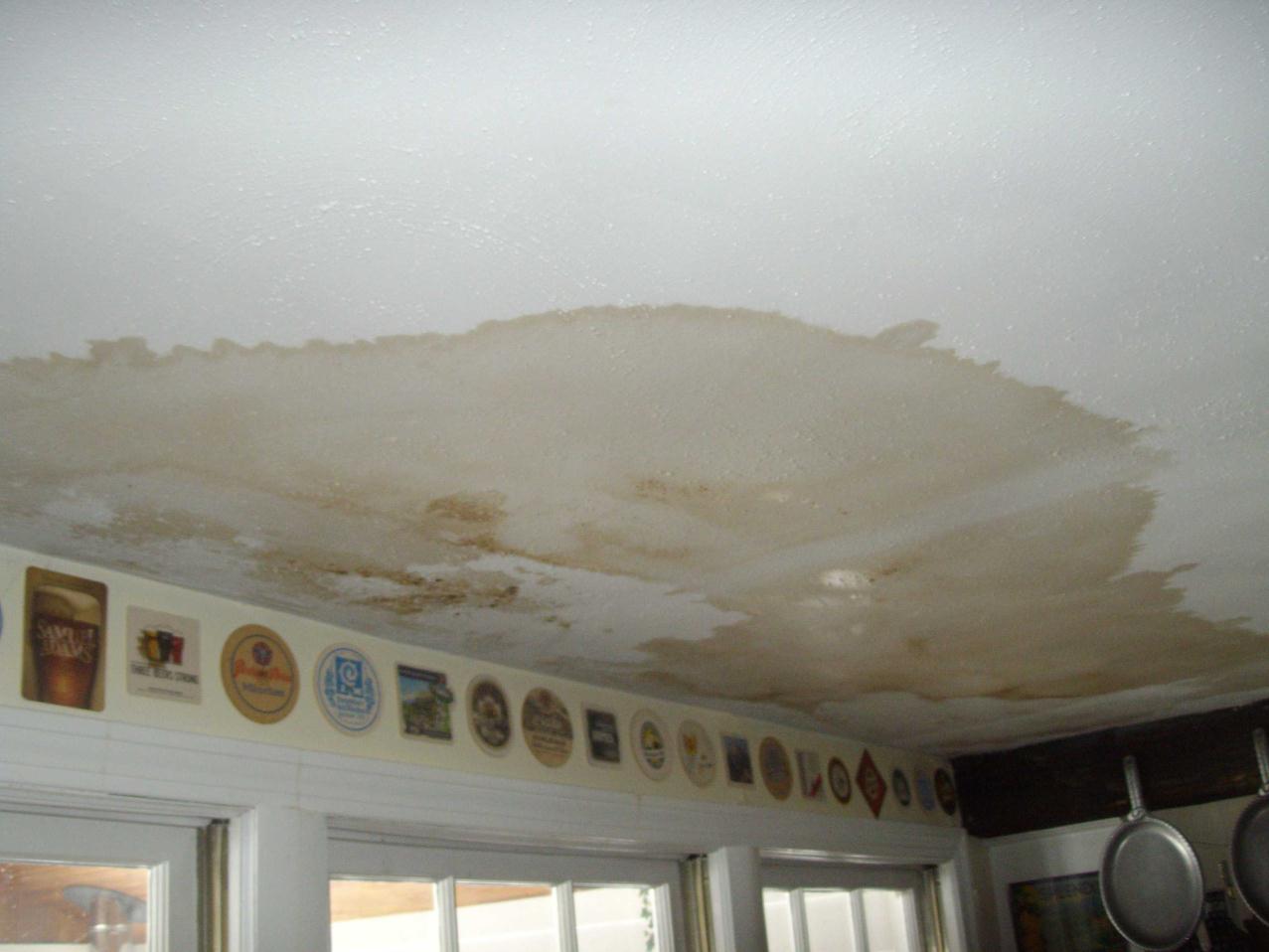
Though water gives life, water invasion on components where it's not meant to be can result in damage. It can peel off away surfaces and erode the structure if the water soaks into your framework. Mold and mildew as well as mold likewise flourish in a damp environment, which can be harmful for your health and wellness. Homes with water damage scent moldy as well as old.
Water can originate from lots of resources such as tropical storms, floods, burst pipelines, leaks, as well as sewer concerns. In case you experience water damages, it would be excellent to understand some security preventative measures. Right here are a couple of standards on just how to deal with water damage.
Do Prioritize House Insurance Protection
Water damage from flood as a result of hefty winds is seasonal. Nonetheless, you can additionally experience an abrupt flood when a malfunctioning pipeline all of a sudden bursts right into your residence. It would be best to have home insurance that covers both acts of God such as all-natural disasters, and also emergency situations like damaged plumbing.
Do Not Forget to Turn Off Energies
In case of a disaster, specifically if you reside in a flood-prone area, it would certainly be suggested to turn off the primary electric circuit. This removes power to your whole house, preventing electrical shocks when water comes in as it is a conductor. Additionally, do not neglect to turn off the major water line valve. Furniture will certainly move about as well as create damages when floodwaters are high. Having the main valve shut off stops further damages.
Do Keep Proactive and Heed Weather Condition Notifies
Tornado floodings can be extremely uncertain. If there is a background of flooding in your area, stay ready as well as positive. If you live near a river, lake, or creek , listen to emptying cautions. Get prized possessions from the first stage and also basement, after that put them on the highest feasible level. Doing so lowers potential home damages.
Don't Overlook the Roof
You can stay clear of rainfall damages if there are no openings and also leakages in your roofing. This will certainly prevent water from moving down your walls and also soaking your ceiling.
Do Take Note Of Little Leaks
A ruptured pipeline doesn't occur overnight. You might discover bubbling paint, peeling wallpaper, water streaks, water discolorations, or dripping audios behind the walls. Have your plumbing repaired prior to it results in massive damage.
Don't Panic in Case of a Burst Pipeline
Maintaining your presence of mind is important in a time of situation. Panicking will only worsen the problem because it will suppress you from acting fast. Timing is vital when it comes to water damage. The longer you wait, the more damages you can expect. Hence, if a pipeline bursts in your house, promptly shut off your main water valve to cut off the source. Then disconnect all electrical outlets in the location or shut off the circuit breaker for that part of the house. Ultimately, call a credible water damages reconstruction professional for help.
Water provides life, water invasion on parts where it's not intended to be can result in damages. Residences with water damage scent old and also stuffy.
Water damages from flood fees to heavy winds is seasonal. You may discover bubbling paint, peeling wallpaper, water streaks, water discolorations, or leaking sounds behind the walls. When it comes to water damage, timing is essential.
Water Damage Do and Don'ts
Water damage at your home or commercial property is a serious problem. You will need assistance from a professional plumber and a water damage restoration agency to get things back in order. While you are waiting for help to arrive, however, there are some things you should do to make the situation better. Likewise, there are things you absolutely shoud not do because they will only make things worse.
DO these things to improve your situation
Get some ventilation going. Open up your doors, your windows, your cabinets – everything. Don’t let anything remain closed. Your aim here is to expose as much surface area to air as possible in order to quicken the drying out process. Use fans if you have them, but only if they’re plugged into a part of the house that’s not currently underwater.
Remove as much standing water as you can. Do this by using mops, sponges and clean white towels. However, it’s important that you don’t push or wipe the water. Simply use blotting motions to soak it up. Wiping or pushing could result in the water getting pushed deeper into your home or carpeting and increasing your problem.
Turn off the power to the soaked areas. You will want to remove the danger of electrocution from the water-logged area to do some cleaning and to help the plumber and the restoration agents do their work.
Move any furniture and belongings from the affected room to a safe and dry area. Taking your possessions to a dry place will make it easier to decide which need restoring and repair. It will also prevent your belongings from being exposed to further moisture.
DON’T do any of these things for any reason
Don’t use your vacuum cleaner to suck up the water. This will not only get you electrocuted, but will also severely damage your vacuum cleaner. Use manual means of water removal, like with mops and pails.
Don’t use newspaper to soak up the water. The ink they use for newsprint runs and transfers very easily, which could then stain carpet and tile with hard-to-remove stains.
Don’t disturb mold. This is especially true if you spot a severe growth. Leave the mold remediation efforts to the professionals. Attempting to clean it yourself could mean exposing yourself to the harmful health effects of mold. Worse, you could inadvertently spread it to other areas of the house.
Don’t turn on your HVAC system until given approval from the restoration agency. Turning your HVAC system on before everything has been cleaned could spread moisture and mold all over the house.
https://www.dreyersdki.com/about-us/blog/water-damage-do-and-donts

Do you enjoy more info about Preventing Fires and Water Damage In Your Home? Put a remark down below. We will be pleased to listen to your opinions about this posting. We are looking forward that you visit us again before long. Those who appreciated our blog posting plz remember to pass it around. Bless you for your time. Kindly visit our website back soon.
Comments on “Do's & Don'ts of Water Damage.”